Blog
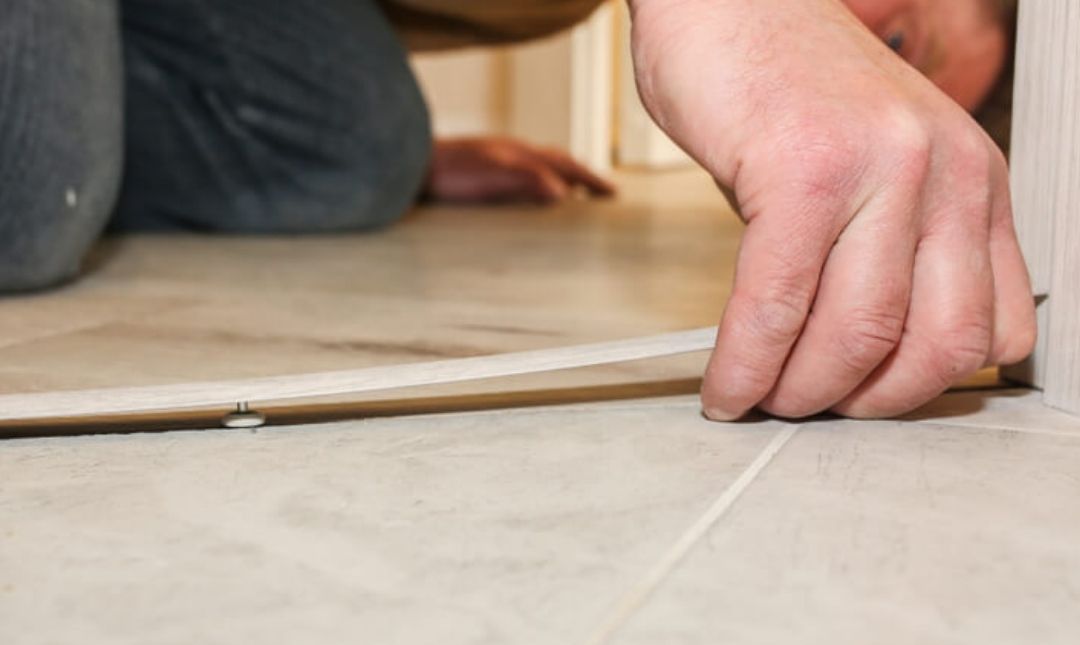
When it comes to home decor and design, it’s often the little details that can make a big difference. This is especially true when it comes to selecting the perfect wood threshold for your flooring. Not only do wood thresholds provide a seamless transition between two different types of flooring, but they also help protect the edges of the flooring from damage. But with so many wood species, finishes, and styles to choose from, selecting the right wood threshold can be a daunting task. In this article, we’ll provide you with a comprehensive guide to help you choose the perfect wood threshold for your flooring.
Consider Your Flooring Type
The type of flooring you have is an essential factor to consider when selecting a wood threshold. Different types of flooring have different thicknesses, installation methods, and maintenance requirements. For example, if you have hardwood flooring, you’ll need a wood threshold that can handle the weight and foot traffic. If you have tile flooring, you’ll need a wood threshold that can resist moisture and temperature changes.
Choose the Right Wood Species
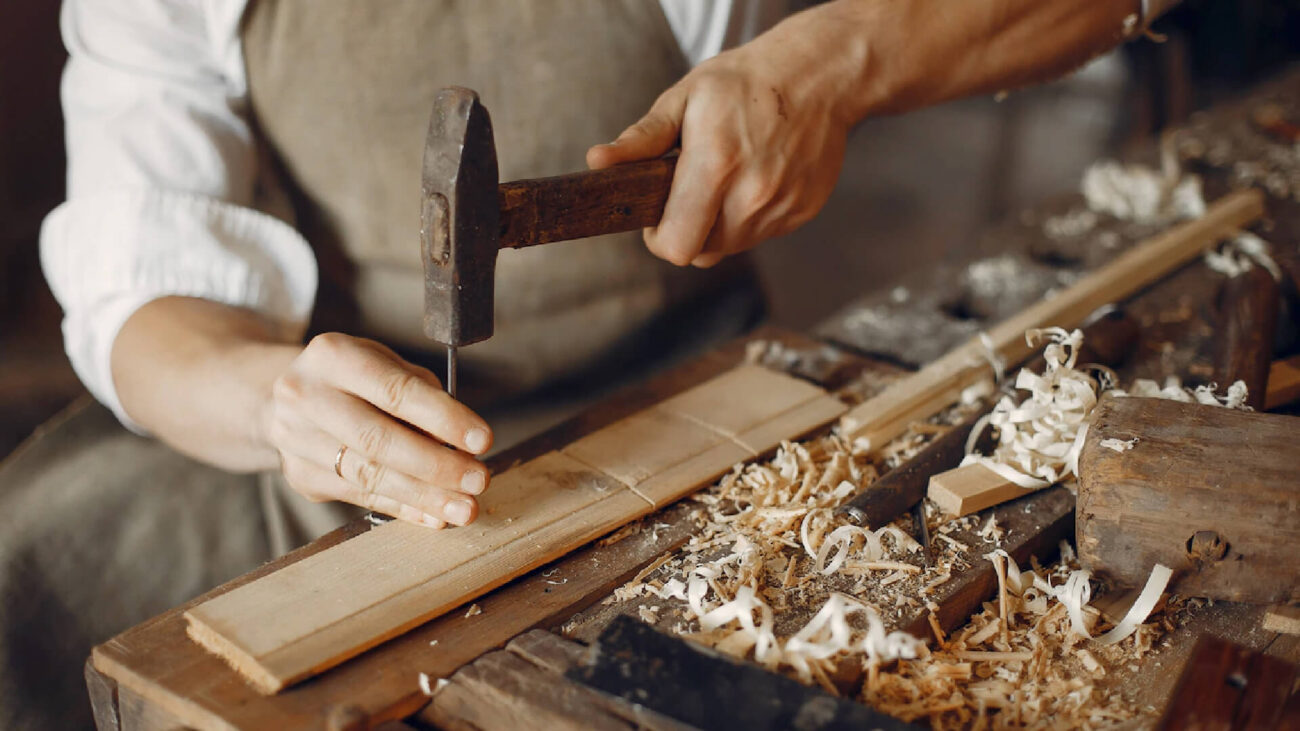
The wood species you choose will determine the durability, strength, and appearance of your wood threshold. Common wood species used for thresholds include oak, maple, cherry, and teak. Oak is a popular choice for hardwood flooring thresholds because it is strong, durable, and readily available. Maple and cherry are also durable options that resist scratches and dents. Teak is an excellent choice for tile flooring thresholds because it is naturally water-resistant and can handle moisture and humidity.
“Aluminum is a sturdy material that can withstand heavy foot traffic and is less prone to damage from moisture or impact.”
Select the Right Finish
The finish you choose for your wood threshold will impact its appearance and protection. Common finishes for wood thresholds include stain, sealant, and paint. Stain is a popular choice for wood thresholds because it enhances the natural wood grain and color. A sealant is an excellent choice for wood thresholds that will be exposed to moisture or humidity. Paint is a great option for wood thresholds that need to match the color of the surrounding walls or trim.
Choose the Right Style
The style of your wood threshold should match the style of your home and the flooring. Common styles of wood thresholds include flush, overlap, and end cap. A flush style wood threshold is a great choice for seamless transitions between two different types of flooring. An overlap style wood threshold is ideal for flooring transitions with different heights. An end cap style wood threshold is perfect for covering the edges of a floating floor.
Installation Methods
The installation method you choose will depend on the type of flooring and the wood threshold. Common installation methods for wood thresholds include glue, nails, and screws. Glue is a good option for wood thresholds that need to be flush with the flooring. Nails or screws are ideal for wood thresholds that will be exposed or require additional support.
In conclusion, choosing the perfect wood threshold for your flooring can add beauty and functionality to your home decor. By considering the type of flooring, wood species, finish, style, and installation method, you can make an informed decision and select a wood threshold that will meet your needs and match your style. Remember, the little details matter, and a wood threshold can make a big difference in the overall look and feel of your home.